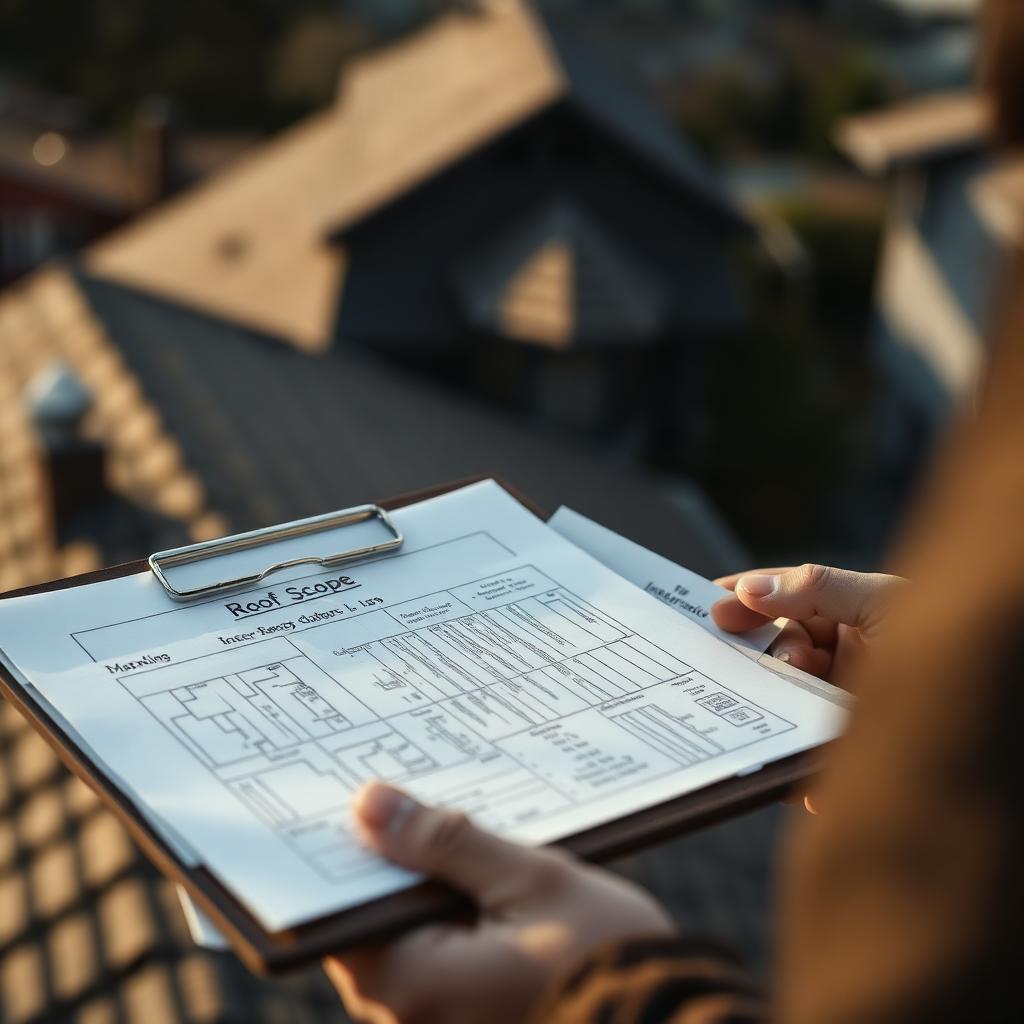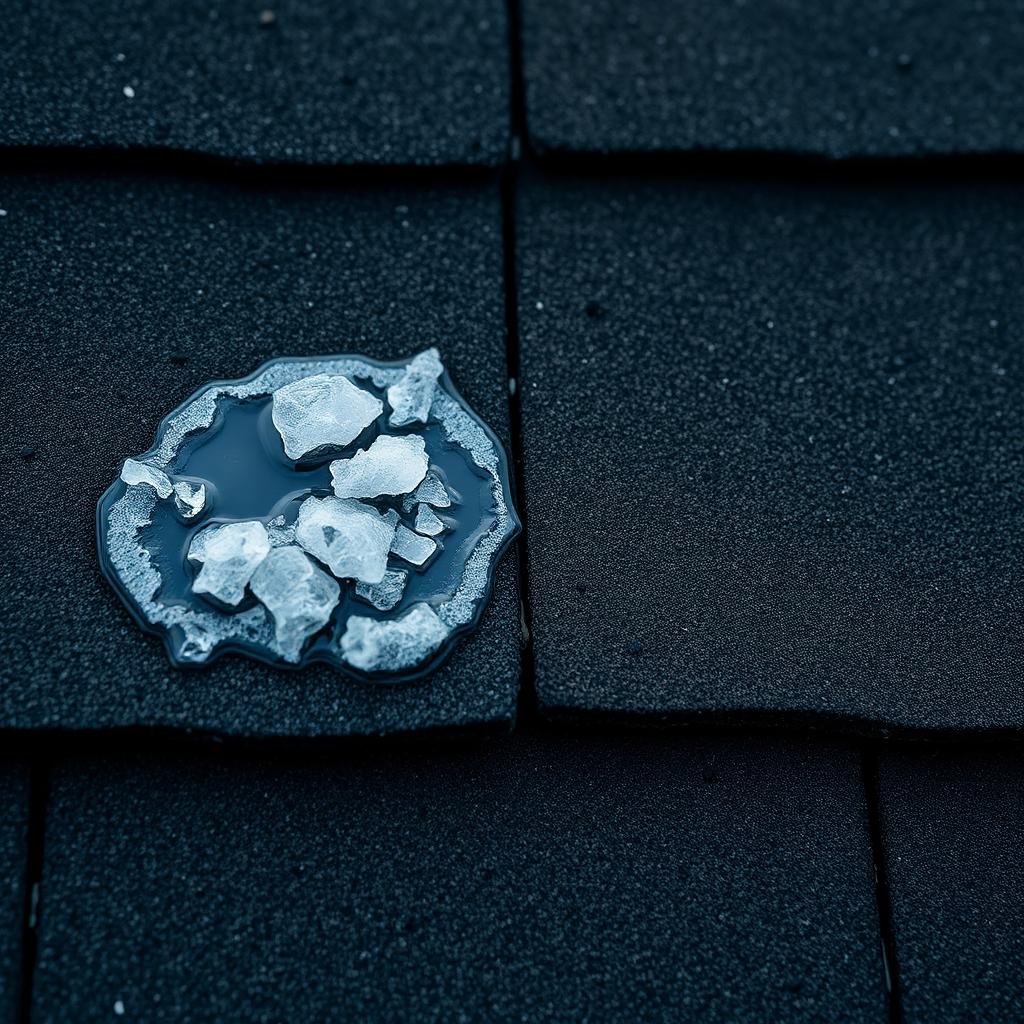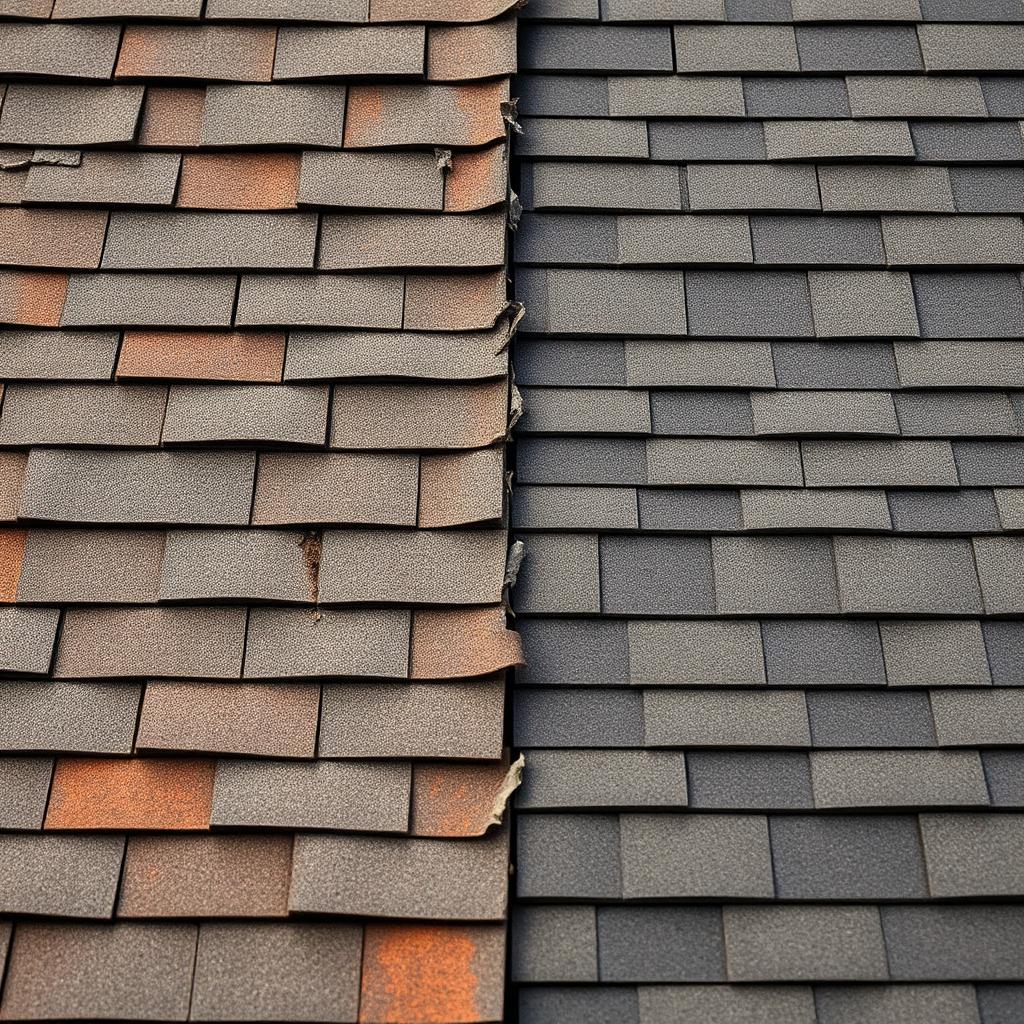
Age is a poor predictor of roof life. A 14-year-old roof in heavy tree shade can be sound; an 8-year-old roof on a south-facing slope in Plano can be cooked. Here are the six structural indicators we use — none of them require pulling a permit.
The six indicators
- Granule loss in gutters: a coffee cup of granules per downspout per year is normal. A full handful is the roof telling you it's done.
- Curling or cupping shingle tabs: the asphalt has lost its plasticizers. There is no repair for this — only replacement.
- Daylight visible through the decking from the attic: the underlayment has failed; sheathing is exposed.
- Mat exposure in 6+ test squares: more than 8 shingles per 100 sqft with visible black asphalt mat means the granule layer is gone.
- Flashing rust-through at chimney, valleys, or penetrations: galvanized flashings have a 18-22 year life in TX humidity.
- Decking sag visible from the curb between rafters: structural sheathing has absorbed moisture. The decking must come off.
Repair vs. replace — the dollar threshold
Our internal rule: if the repair scope exceeds 25% of replacement cost OR if 3+ indicators above are present, replace. Layering repairs on a roof at end-of-life is throwing money at a problem that will recur within 18 months.